


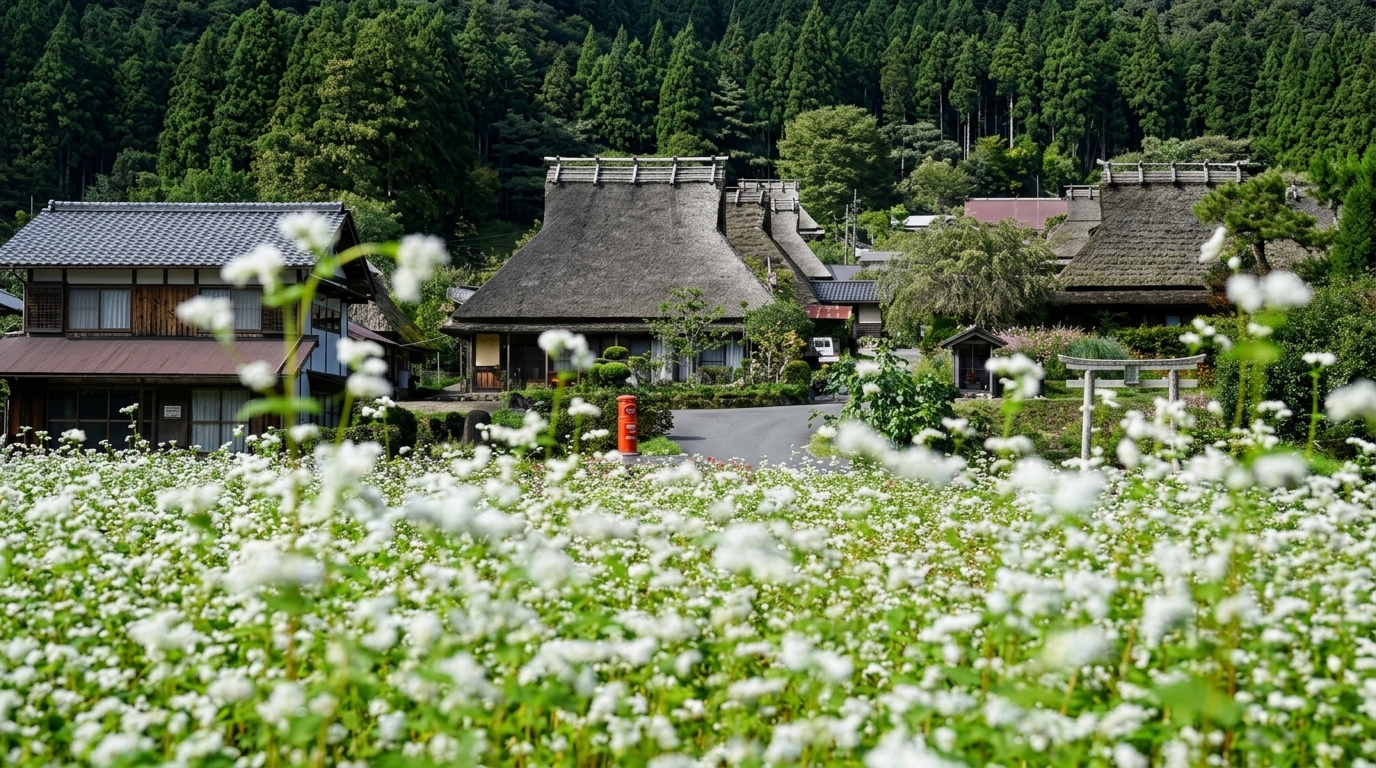
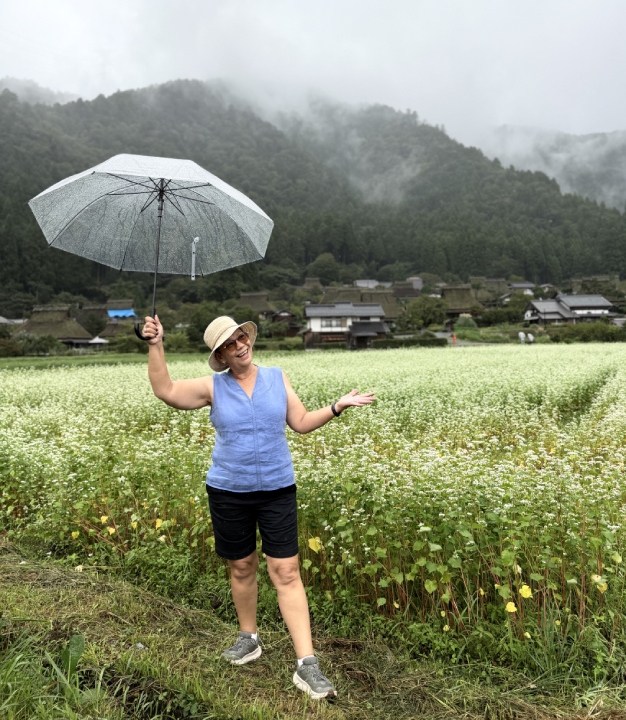
Soba Agricultural and Culinary Tradition The tradition of growing buckwheat in fallow fields—which began in 2002—is not merely for visual beauty. Miyama Village is famous for its high-quality buckwheat output. After the white blossom season ends in late September, the buckwheat is harvested to make fresh Miyama Soba (often called Shin-soba or new-crop soba), which is served in local eateries from
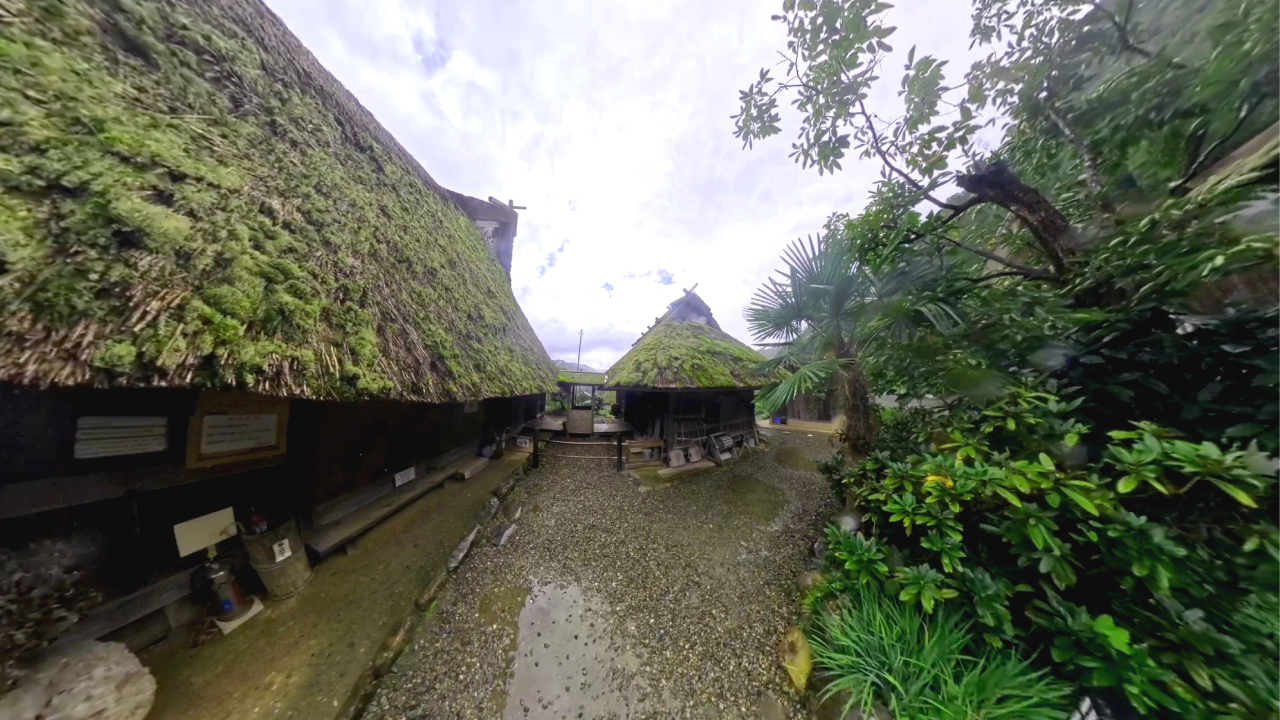
Kayabuki Architecture (Thatched Roofs) The village features around 39 thatched-roof houses (kayabuki) that remain well-preserved and inhabited by locals. Designated as an Important Preservation District for Groups of Traditional Buildings in 1993, Kayabuki no Sato is recognized as one of Japan’s three most famous thatched-roof villages (alongside Shirakawa-go in Gifu and Ouchi-juku in Fukushima).
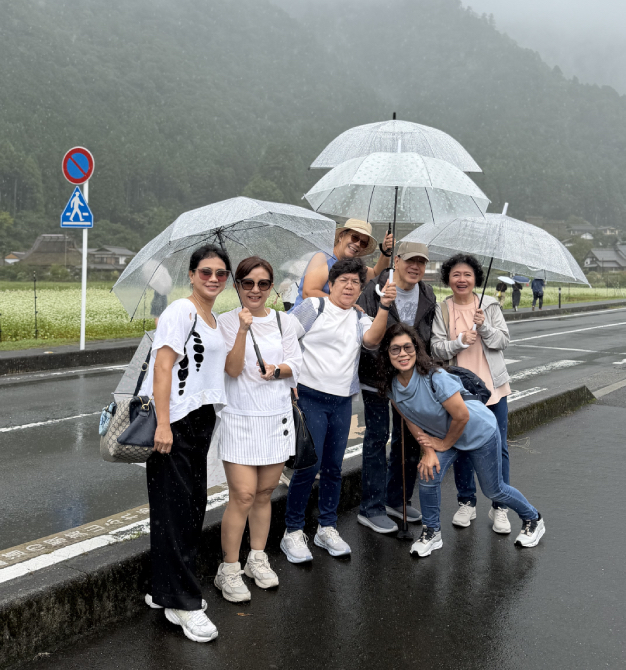
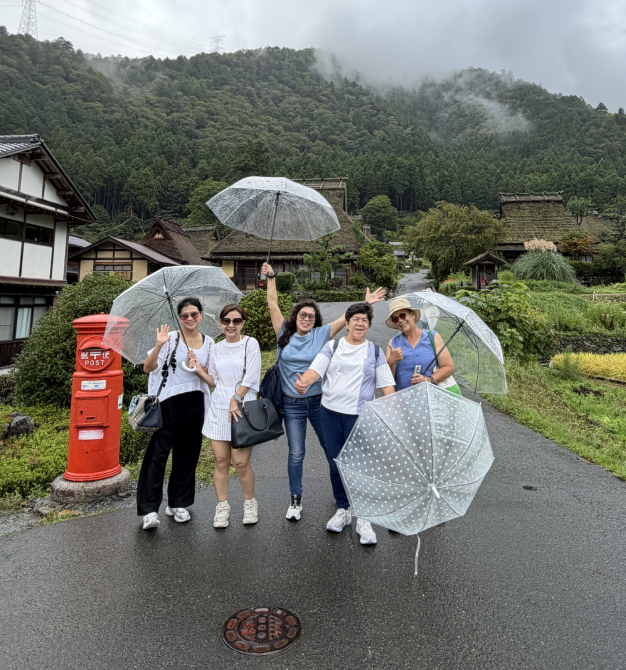
A Unique Safety System: The "Dancing" Fire Extinguishers Because thatched structures are extremely vulnerable to fire, the village is equipped with an automated sprinkler system hidden inside small wooden huts. Twice a year (usually in May and December), a fire drill is conducted where all the sprinklers spray water high into the air simultaneously, creating a distinct tourist attraction known as Ichiji Hosui.
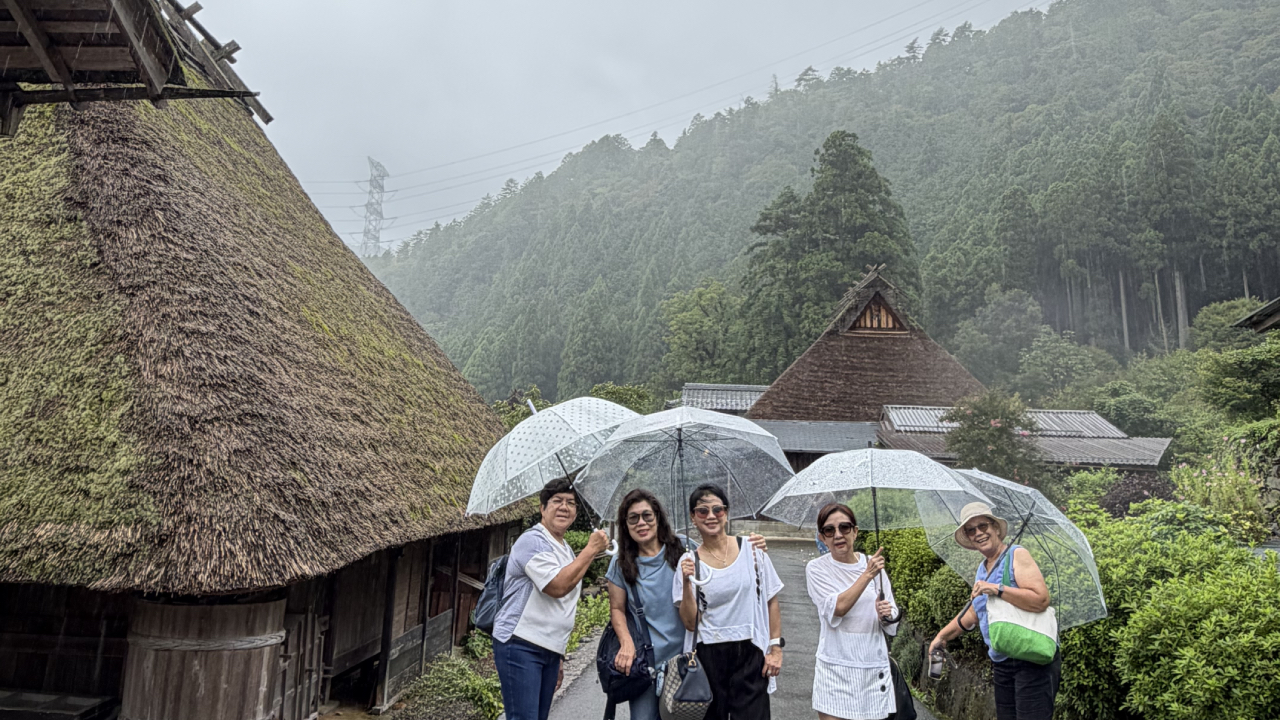
Four-Season Appeal Beyond the fields of white buckwheat flowers in late summer/early autumn:
Spring: Framed by cherry blossoms and fresh green foliage.
Winter: The Yukitouro (Snow Lantern) event in January/February, where the thatched houses are blanketed in heavy snow and illuminated by ice and bamboo lanterns.
Would you like to know how to get there from downtown Kyoto, or are you interested in local dining and accommodation recommendations around Kayabuki no Sato?
